
No products in the cart.
Testing Services
Testing Services for Ceramic Tile, Glass Tile, Natural Stone, Terrazzo, Brick
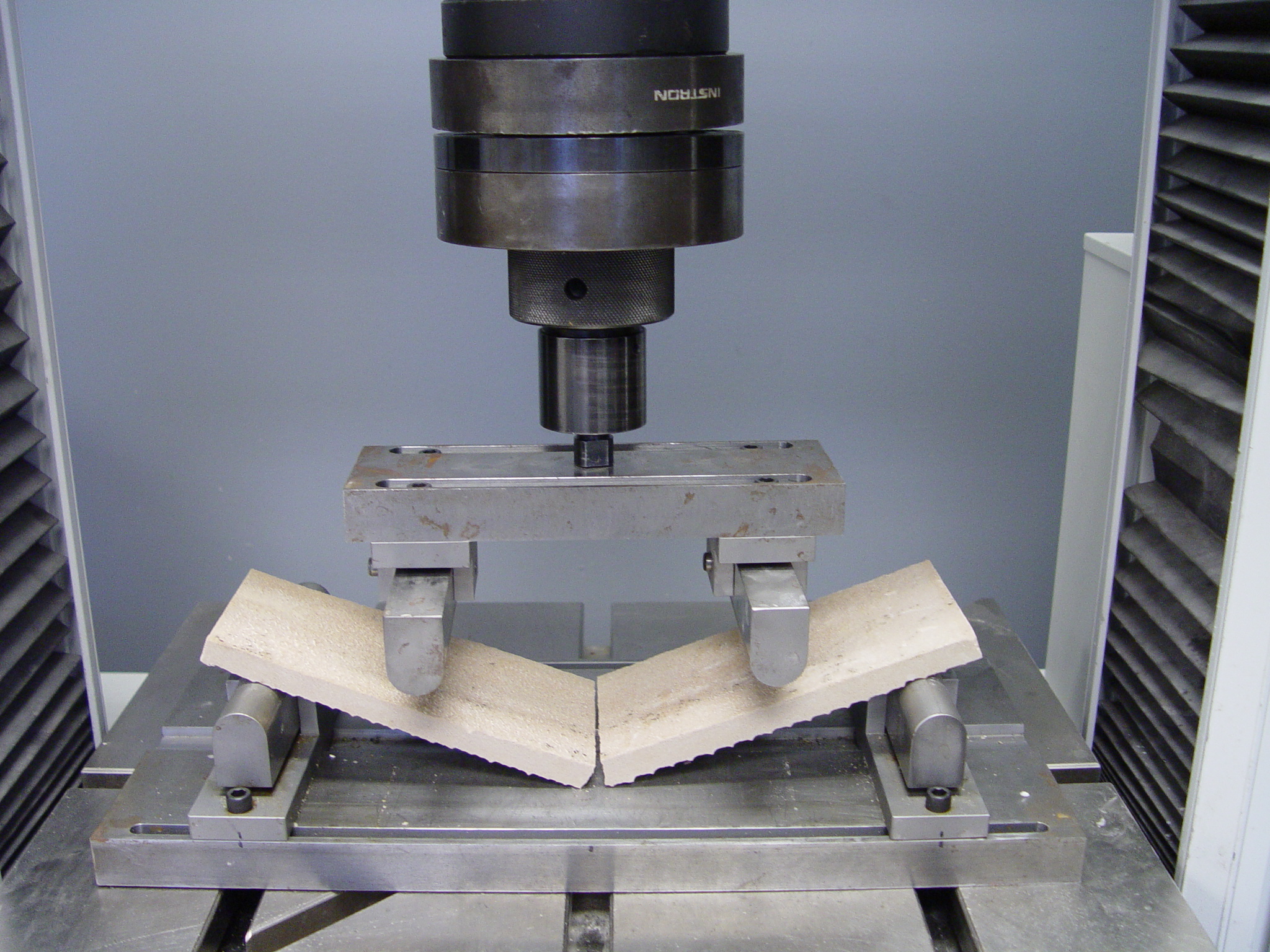
CTaSC specializes in:
- Ceramic Tile Testing (porcelain tile is a type of ceramic tile)
- Natural Stone Testing
- Glass Tile Testing
- Terrazzo Testing
- Brick Testing
- Installation Products Testing
- Forensic Testing
- Quality Assurance Testing
Project Site Testing
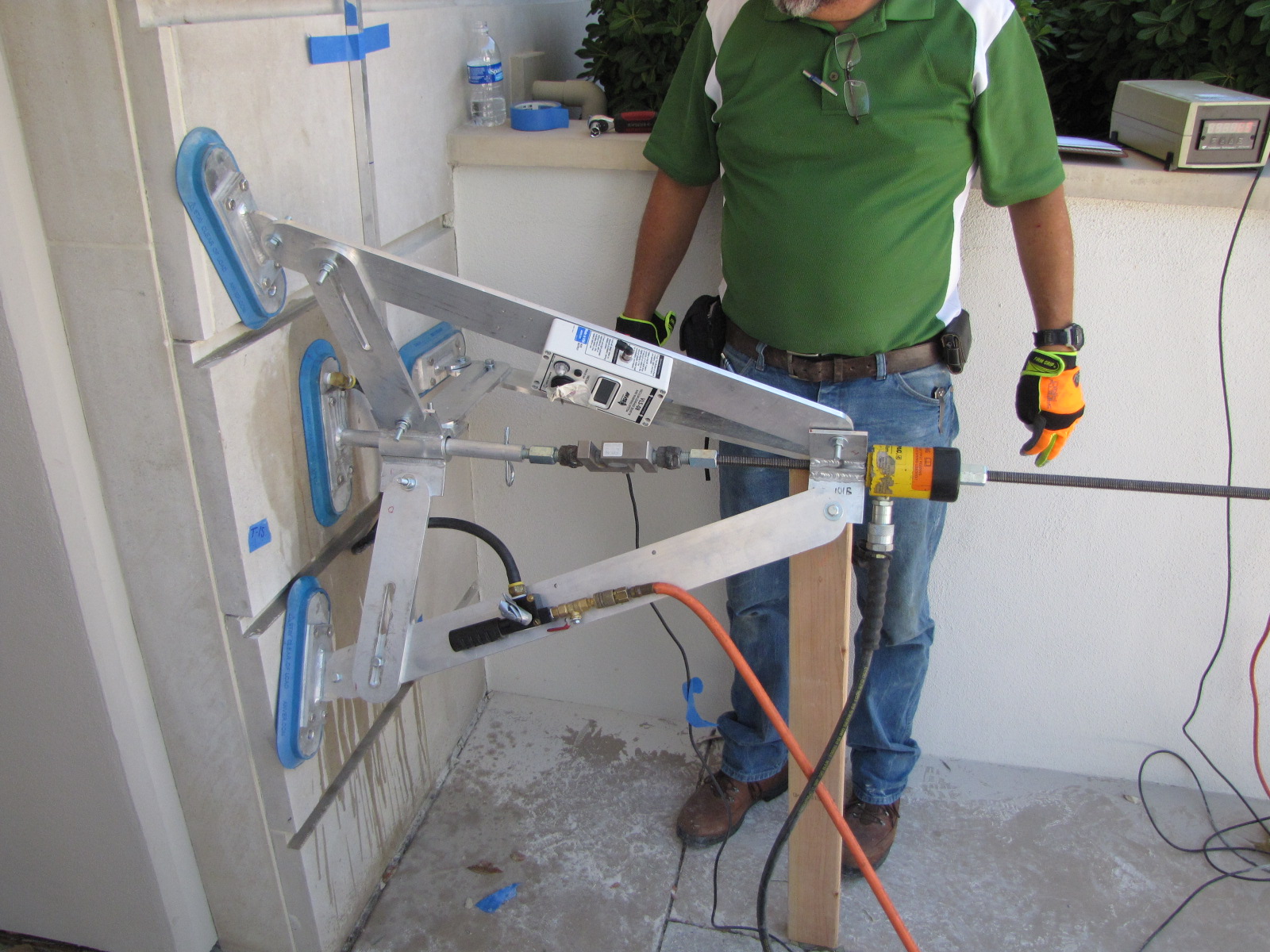
CTaSC performs project site testing to include ceramic tile testing, glass tile testing,
limestone testing, granite testing, marble testing, travertine testing, sandstone testing, slate testing, and other natural stone assembly testing.
CTaSC specifies, manages, performs, and evaluates ANSI standards and ASTM physical property laboratory testing on ceramic tile, natural stone, granite, marble, slate, sandstone, limestone, travertine, glass tile, installation materials, and to substantiate or further determine the cause of failures in forensic investigations.
CTaSC Expertise
CTaSC is a ceramic tile expert, a natural stone expert (marble expert, granite expert, sandstone expert, limestone expert, travertine expert, slate expert), an engineer stone expert, a glass tile expert, a brick expert, and a concrete paver expert for all types of ceramic tile applications, stone applications, glass tile applications, and other types of tile applications. CTaSC particularly specializes in high risk applications such as bathroom shower installations, exterior veneer installations, exterior decks/balconies, and in swimming pool installations.
Quality Assurance and Control Services
CTaSC tests and evaluates ceramic tile, natural stone, granite, marble, slate, sandstone, limestone, travertine, glass tile, and installation materials for their suitability for their intended use as part of developing installation guidelines and specifications for projects. CTaSC will perform quality assurance testing while performing their quality control services.
Product or System Evaluation Services
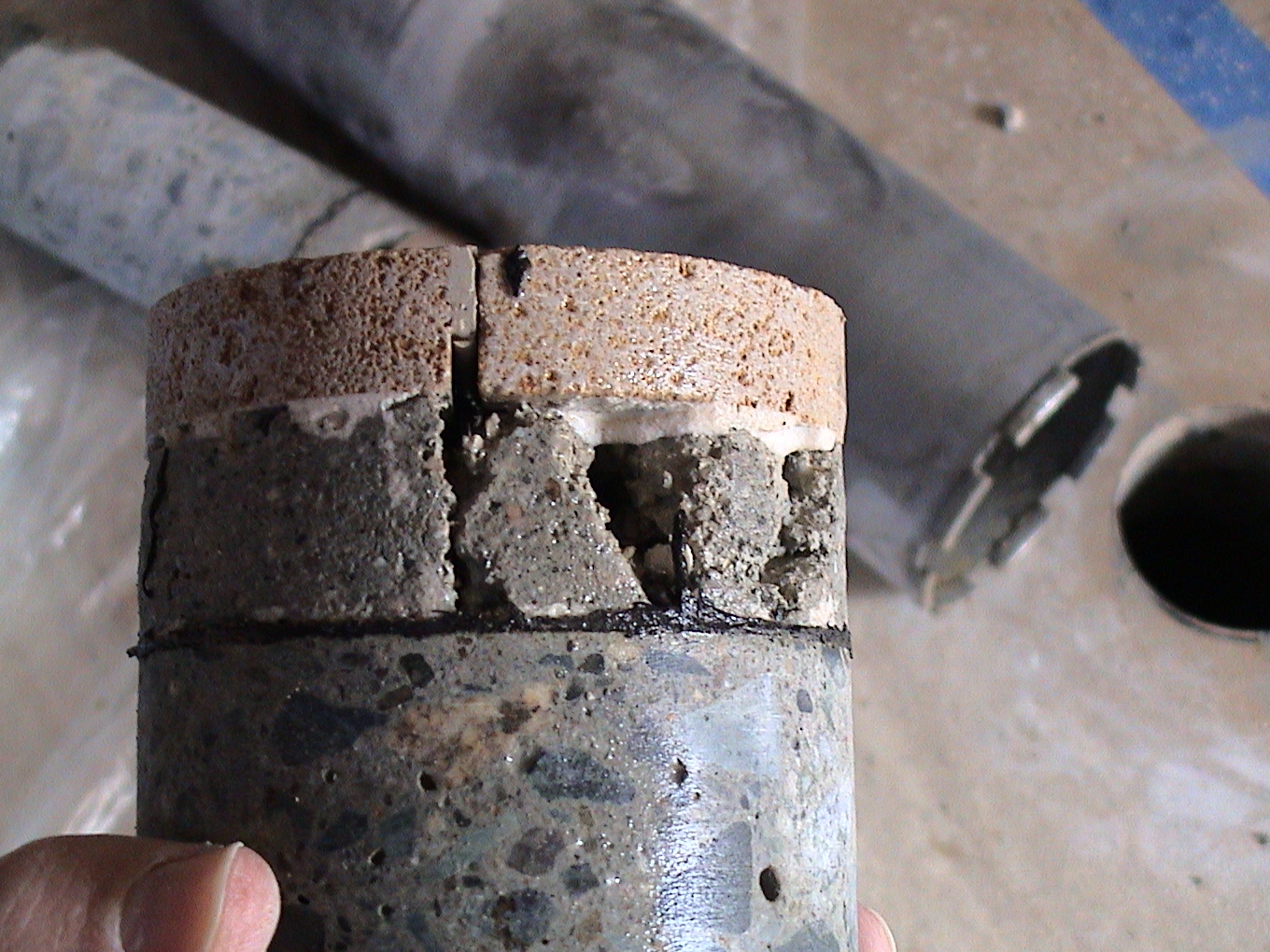
CTaSC develops and manages studies to test and evaluate the performance of ceramic tile, glass tile, stone products or systems, granite, marble, slate, sandstone, limestone, travertine, glass tile, and installation materials. Accelerated aging tests can be developed with control and periodic physical property testing to determine the long term performance of tile and stone products and systems.
Forensic Investigation Testing
CTaSC takes a scientific approach to investigations of ceramic tile, natural stone, granite, marble, slate, sandstone, limestone, travertine, glass tile, and installation materials failures. Complete testing services are available to substantiate the mechanism of failures and to help further determine the nature and cause of a ceramic tile or stone failure.
Testing includes site testing of tile assemblies, laboratory petrographic analysis, chemical analysis, development of performance models, replication mock-up testing, microbial (mold) testing, and other experimental testing.
Test Equipment and Methods include:
- FTIR Analysis; XRF Analysis, XRD Analysis, EDX/EDAX Analysis, EDS Analysis, SEM Analysis, TGA Analysis, BE/BSE Analysis, GC/MS Analysis
Natural Stone Testing
CTaSC performs testing on natural stone to determine its physical properties as compared to its respective ASTM minimum/maximum requirements. CTaSC performs limestone testing, granite testing, marble testing, travertine testing, sandstone testing, slate testing, onyx testing, and other natural stone assembly testing. Testing is provided for adhered applications as well as mechanical anchor attachment applications.
Some of the common tests include:
- ASTM Physical Properties Testing (Basic Five Tests) – ASTM C503 Marble; ASTM C569 Limestone; ASTM C615 Granite; ASTM C616 Quartz-Based (sandstone; quartzite); ASTM C629 Slate; ASTM C1527 Travertine
- Petrographic Evaluation per ASTM C295, Standard Guide for Petrographic Examination of Aggregates for Concrete (modified for stone)
- Natural Stone Moisture Sensitive Dimension Stability Testing
- Accelerated Weathering Testing
- Mechanical Anchor ASTM C1354 testing
- Slip Resistance Testing
Ceramic Tile Testing
CTaSC performs testing on ceramic tile to determine its physical properties as compared to its respective ASTM minimum/maximum requirements. Testing is provided for adhered applications. Some of the common tests include:
- ASTM Physical Properties and Characteristics according to ANSI A137.1 standards:
- Absorption Test ASTM 373
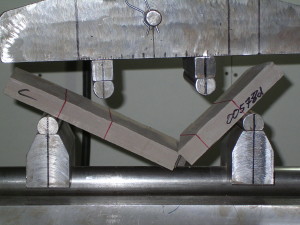
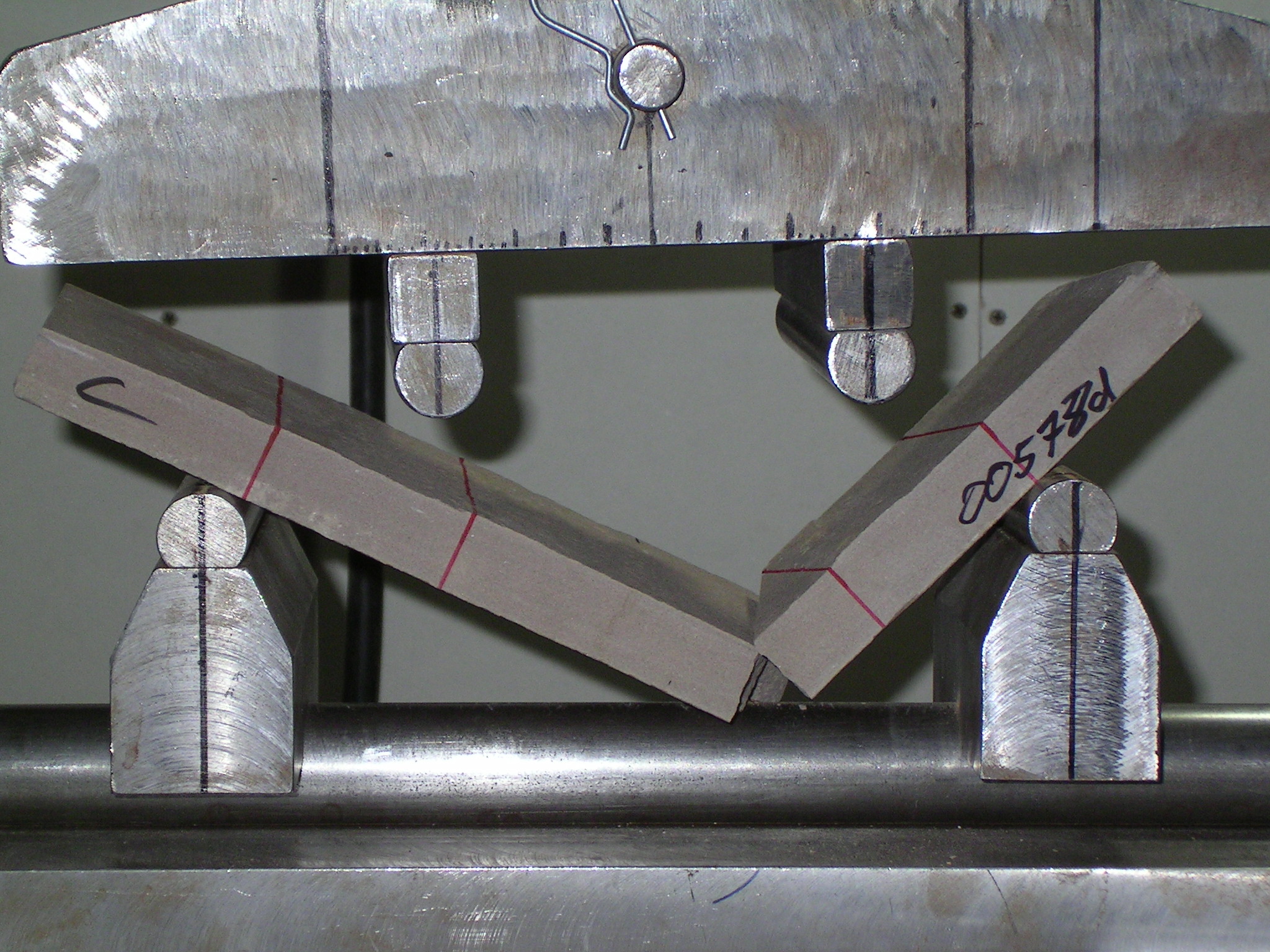
Flexural Strength Test - Bond Strength Test ASTM C482
- Warpage Test ASTM C485
- Robinson Floor Performance Test ASTM C627
- Freeze Thaw Test ASTM C1026
- Static Coefficient of Friction Test ASTM C1028 – withdrawn but still used
- Dynamic Coefficient of Friction Test DCOF AcuTest per ANSI A326.3 with BOT 3000
- Chemical and Stain Resistance Testing
- Other ceramic tile and glass ASTM standards as shown on ASTM Glass & Ceramics website: ASTM Glass & Ceramics Standards.
- Absorption Test ASTM 373
On-site Field Testing
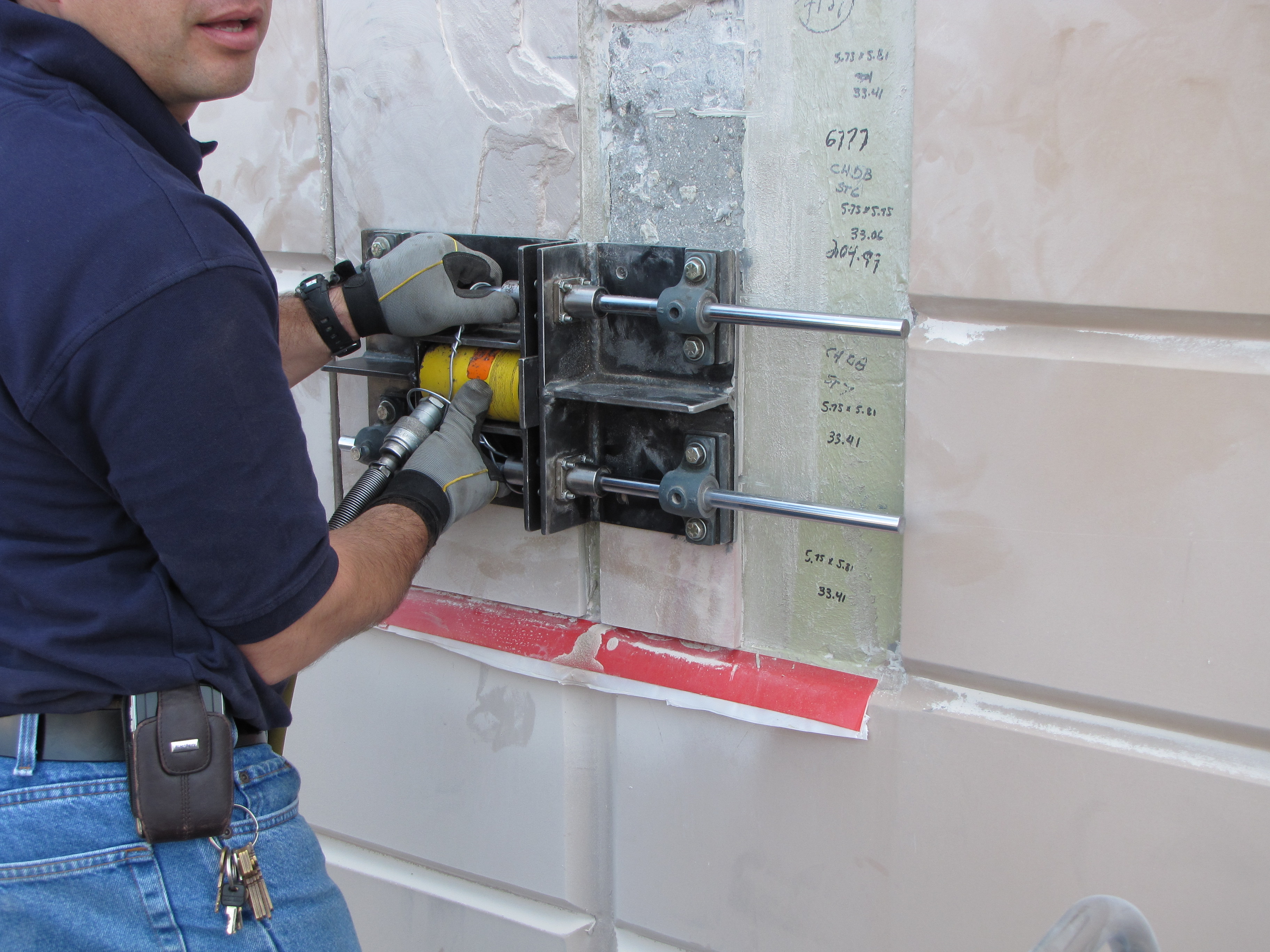
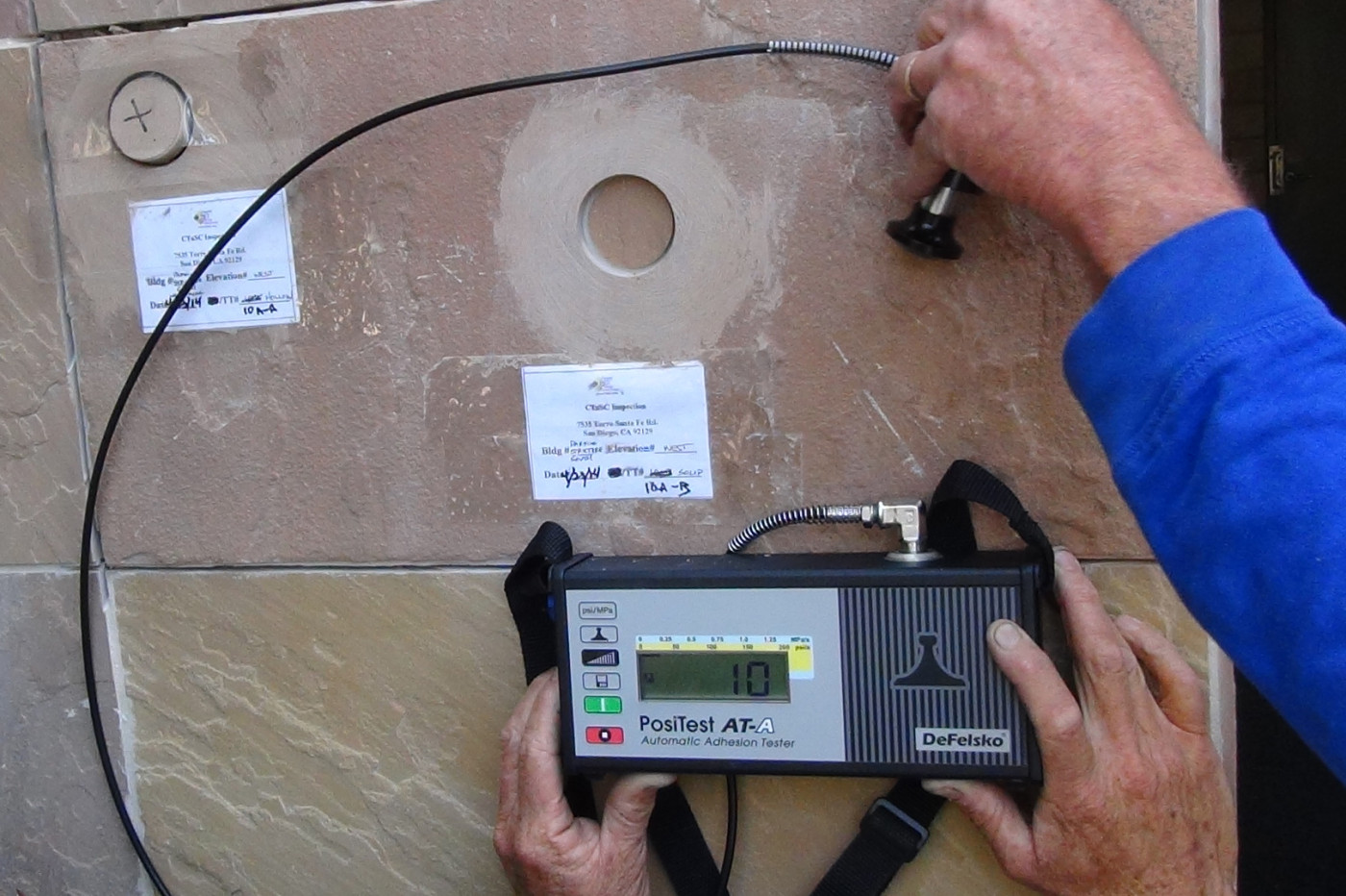
CTaSC performs various types of on-site field testing during forensic investigations to help determine if a tile or stone is adequately installed in terms of determining if there is a problem, and whether the problem is an anomaly or if it is systemic. This testing process helps determine the cause of the failure as well as how the problem can me best remediated. On-site field testing is also performed as part of a quality assurance and quality control process on new installations to verify that the installation will perform as specified and expected, and to verify it meets code requirements. Some of the common tests include:
- ASTM C1823 Standard Test Method for Shear Bond Strength of Adhered Dimension Stone
- ASTM C7234 Standard Test Method for Pull-Off Adhesion Strength of Coatings on Concrete Using Portable Pull-Off Adhesion Testers
- ANSI A326.3 American National Standard Test Method for Measuring Dynamic Coefficient of Friction of Hard Surface Flooring Materials
- ASTM F2170 Standard Test Method for Determining Relative Humidity in Concrete Floor Slabs Using in situ Probes
- ASTM F2659 Standard Guide for Preliminary Evaluation of Comparative Moisture Condition of Concrete, Gypsum Cement and Other Floor Slabs and Screeds Using a Non-Destructive Electronic Moisture Meter
Quality Assurance Product and Installation Material Testing
CTaSC performs testing on installation materials that are used to install ceramic tile, glass
tile, limestone, granite, marble, travertine, sandstone, slate, and other natural stone assembly testing. Testing is performed according to ANSI A118, A136.1, and ASTM C627 standards and test methods to determine if the respective products comply with those standards. Some of the common tests include:
- Thin-Set Performance According to ANSI A118.1, A118.4, A118.11
- Epoxy Performance According to ANSI A118.3 and A118.5
- Grout Performance According to ANSI A118.6 and A118.7
- Waterproof Membrane According to ANSI A118.10
- Crack Isolation Membrane According to ANSI A118.12
- Organic Adhesive (Mastic) According to ANSI A136.1
- ASTM C97/C97M Standard Test Methods for Absorption and Bulk Specific Gravity of Dimension Stone
- ASTM C99/C99M Standard Test Method for Modulus of Rupture of Dimension Stone
- ASTM C170/C170M Standard Test Method for Compressive Strength of Dimension Stone
- ASTM C217/C217M Standard Test Method for Weather Resistance of Slate
- ASTM C503/C503M Standard Specification for Marble Dimension Stone
- ASTM C568/C568M Standard Specification for Limestone Dimension Stone
- ASTM C615/C615M Standard Specification for Granite Dimension Stone
- ASTM C616/C616M Standard Specification for Quartz-Based Dimension Stone
- ASTM C629/C629M Standard Specification for Slate Dimension Stone
- ASTM C880/C880M Standard Test Method for Flexural Strength of Dimension Stone
- ASTM C1201/C1201M Standard Test Method for Structural Performance of Exterior Dimension Stone Cladding Systems by Uniform Static Air Pressure Difference
- ASTM C1354 Standard Test Method for Strength of Individual Stone Anchorages in Dimension Stone
- ASTM C1527/C1527M Standard Specification for Travertine Dimension Stone
- ASTM C1721 Standard Guide for Petrographic Examination of Dimension Stone
Testing costs and timing is quoted on a case by case basis.
Contact CTaSC for a cost proposal.
Tile Installation Testing Methods and Standards
CTaSC performs objective inspections and testing of ceramic tile, glass tile, limestone tile, marble tile, granite tile, slate tile, sandstone tile, travertine tile, and natural stone tile applications based on the TCNA (Tile Council of North America) Handbook for Ceramic, Glass, and Stone Tile Installation recommended installation methods and referenced standards, based on ANSI A108 American National Standard Specifications for the Installation of Ceramic Tile and Stone Tile, based on the Natural Stone Institute-NSI (previously MIA- Marble Institute of America) Dimension Stone Design Manual for stone slab and stone tile applications, and based on any other relevant standards.
The Natural Stone Institute (NSI/MIA) Dimension Stone Design Manual references TCA Handbook for Ceramic Tile Installations to be used for stone tile applications. The TCNA Handbook for Ceramic, Glass, and Stone Tile Installation references its installation methods to natural stone tiles, including agglomerates, and glass tile applications.